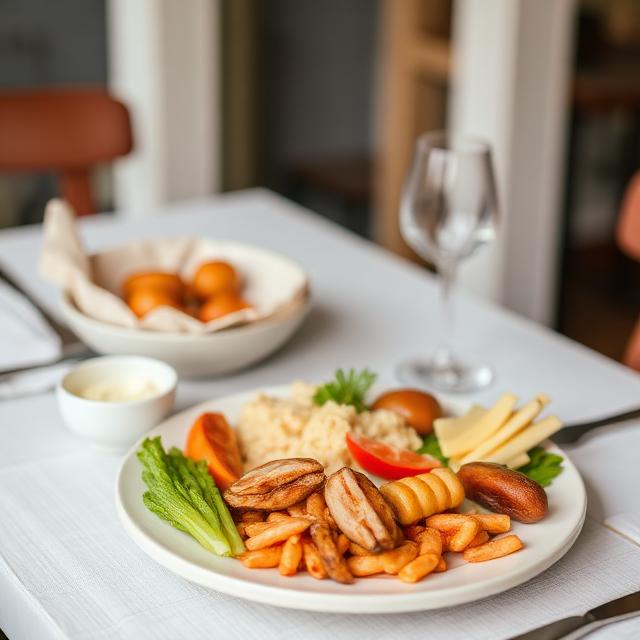
Simple food habits and pantry ideas that reduce effort.
Mindful kitchen habits are less about strict rules and more about making food simpler to handle. A supportive kitchen reduces decisions when you’re hungry or in a rush.
Start with a small ‘meal skeleton’: one easy protein, one plant, and one comfort carb. When the skeleton is easy, you can change flavors without changing your whole routine.
Keep a short list of “assembly meals” you can make without thinking—like a bowl, a sandwich, or a quick pasta. Assembly meals are the bridge between busy days and steady eating.
Use your freezer like a helper: frozen veggies, frozen fruit, and a few ready-to-heat options can turn ‘nothing to eat’ into ‘okay, I’ve got this.’
Mindful doesn’t mean complicated. It means noticing what makes eating feel calmer—and doing more of that.
Try a ‘front shelf’ rule: keep your go-to staples where you can see them. Visibility helps you use what you already have and reduces waste.
Group foods by how you use them, not by what they are. For example: ‘quick breakfasts,’ ‘easy lunches,’ and ‘snacks that satisfy.’ Organization should match your real life.
Keep one simple prep habit: wash fruit, cook a pot of grains, or portion a snack. Small prep can make the whole week feel easier without turning Sunday into a project.
Let your kitchen be imperfect. A pantry can be supportive even if it isn’t aesthetic. Function beats perfection every time.
When you find a habit that helps, write it down. Your own notes become a personalized guide you can return to when life gets loud.
At Steady Leaf Notes, we look at mindful kitchen through an everyday lens: what feels realistic, what improves comfort over time, and what creates a calmer rhythm without making life feel overcomplicated. That means focusing on steady routines, practical choices, and visual clarity so each page feels useful as well as inspiring.
Rather than chasing extremes, this space leans into balance, consistency, and small upgrades that hold up in real life. Whether the subject is ingredients, rituals, mindful home details, or simple wellness habits, the goal is to connect ideas with gentle structure, better context, and a more grounded sense of progress.
This added note expands the page with a little more context, helping the topic sit within a wider wellness conversation instead of feeling like a standalone fragment. In practice, that often means noticing patterns, simplifying decisions, and choosing approaches that are easier to repeat with confidence.